There's a moment in every well-designed room when you realize you don't quite know why it feels so good — you just know it does. Nine times out of ten, the answer is texture. Not one texture, but the right conversation between several. The way a chunky linen throw softens an oak bench. The way a glazed ceramic bowl makes a marble countertop feel warmer. The way a jute rug keeps a room from feeling like it's trying too hard.
Texture is the element of design that photographs least well and matters most in person. It's what makes a room feel alive versus assembled. And it's something that any homeowner — with or without a designer — can begin to understand and use well.
"Texture is what makes a room feel alive versus assembled."
Start With the Anchor
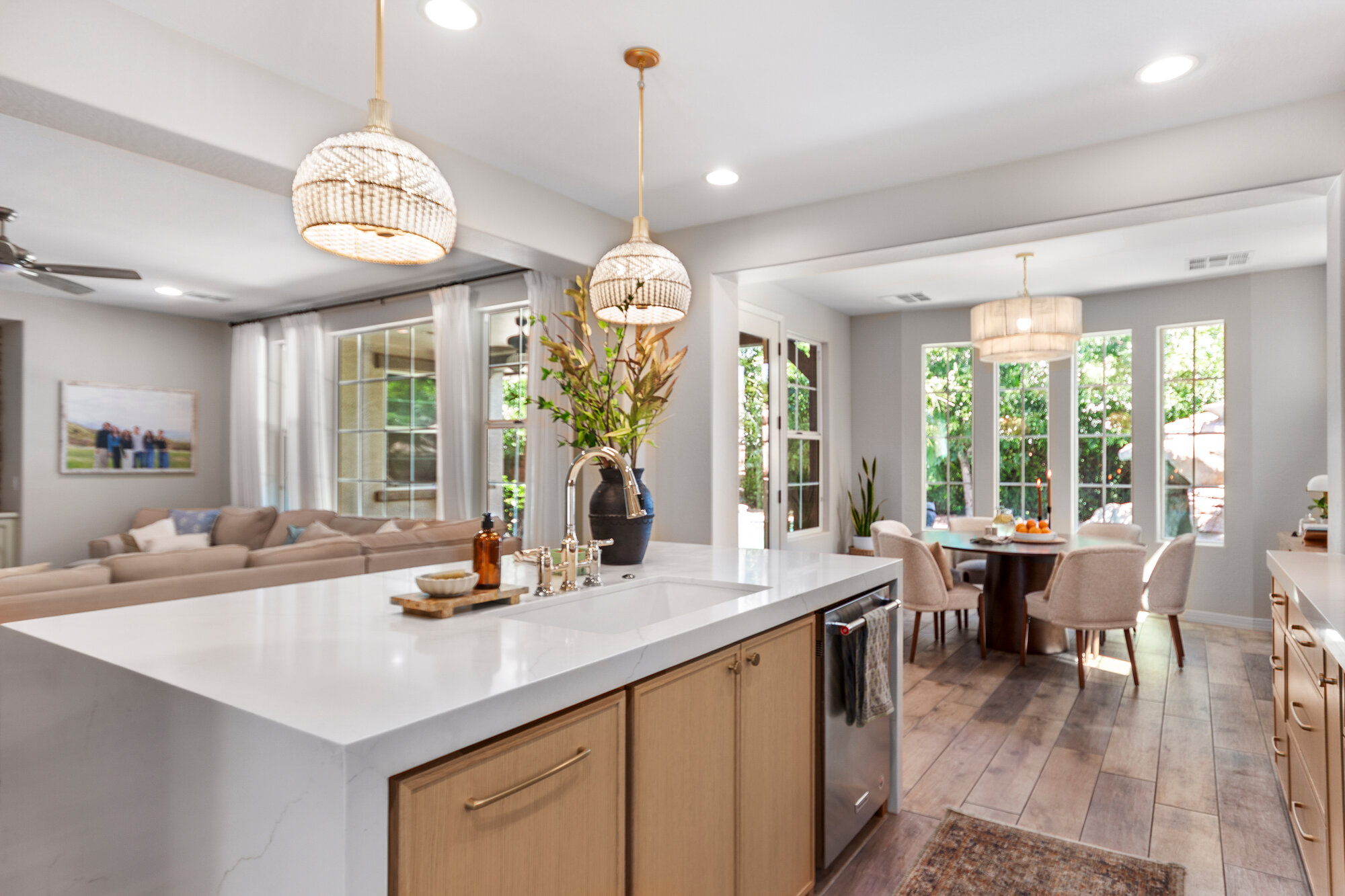
Every room needs a primary texture — the one that sets the tone for everything else. In warm, layered spaces, this is usually a flooring material: wide-plank white oak, dark walnut, or a natural fiber rug. This is the foundation everything else responds to, so choose it carefully and choose it first.
If your anchor texture is smooth and light (like pale oak or white limestone tile), the other layers should compensate with warmth and roughness — wool, woven leather, nubby linen. If your anchor is already rich and dark (walnut, aged slate), your layers can afford to be lighter and softer — sheer linen, pale ceramic, cotton velvet.
The Rule of Contrast
The most interesting rooms are almost always built on contrast. Smooth against rough. Matte against reflective. Organic against geometric. When you put two similar textures side by side, neither stands out. When you put opposites together, both become more interesting.
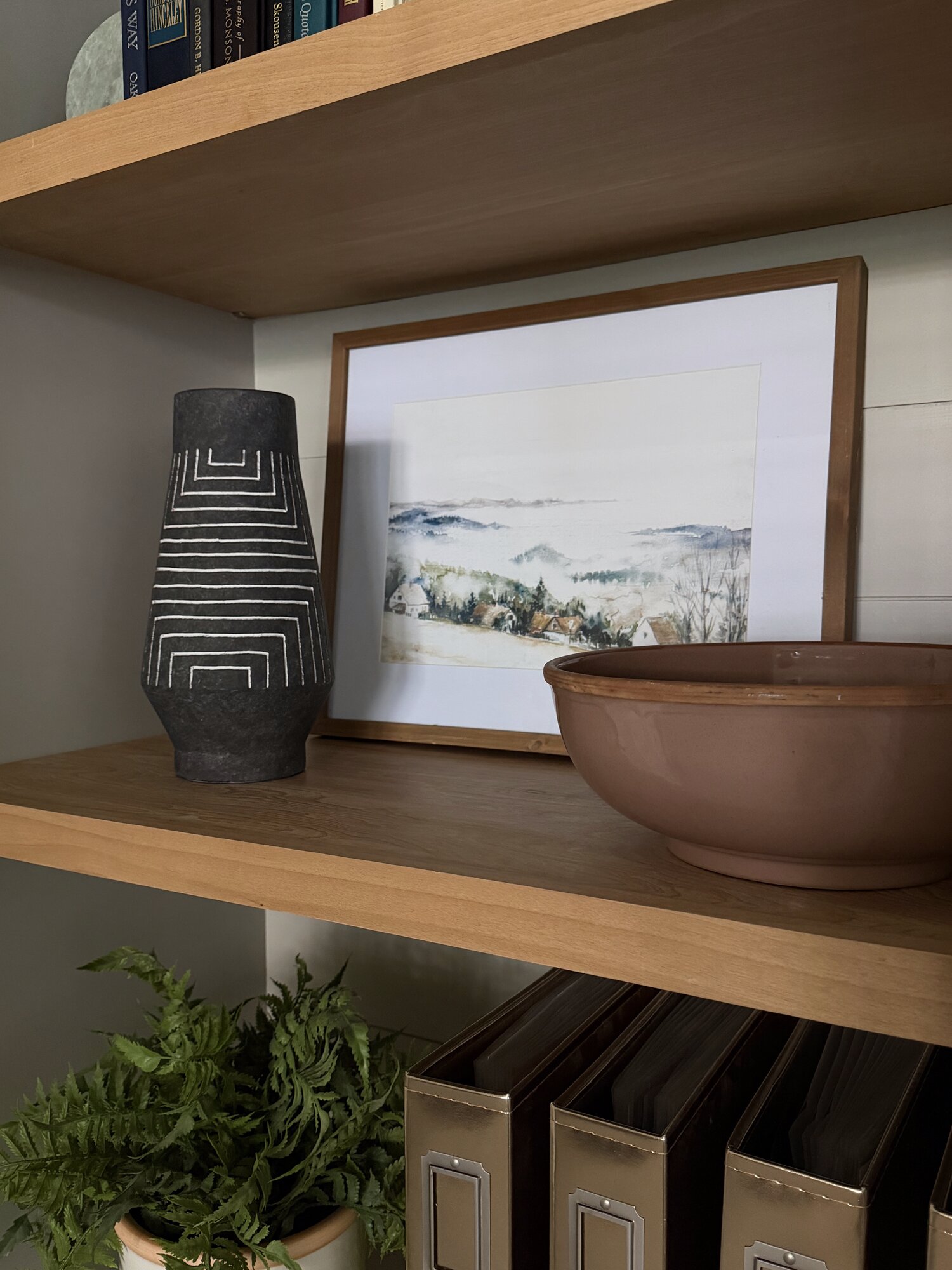
In practice, this might look like: a rough-hewn wooden side table next to a smooth plaster lamp. A silky velvet pillow against a nubby wool throw. A matte terracotta pot beside a glazed ceramic vase. None of these combinations are loud. But each one creates a small moment of visual interest that, when repeated across a room, adds up to something genuinely beautiful.
The Materials I Come Back To Again and Again
After working through dozens of projects across the East Valley, certain materials have earned my trust for the way they age, layer, and hold up to real life. These are my go-to building blocks for a warm home:
Linen — The great all-rounder. It softens with wash and wear, comes in a thousand perfect neutral tones, and works equally well in a rustic farmhouse or a refined traditional space. Linen drapery, linen upholstery, linen bedding — I never tire of it.
Aged brass — Not shiny brass, not gold. Brass that's been lived with, that has depth and variation. On hardware, on lighting, on decorative objects. It's warm without being yellow, and it makes everything around it look more intentional.
Natural oak — Especially white oak with a light or natural finish. It reads as warm but is lighter and more versatile than walnut. It ages gracefully and doesn't compete with anything.
Glazed ceramics — A glazed ceramic bowl, vase, or lamp base brings a handmade quality to a room that no manufactured piece can replicate. The slight imperfections, the depth of the glaze — these things read as alive in a way that other objects don't.
Woven textures — Rattan, seagrass, jute, woven leather. These are the elements that keep a room from feeling too precious. They're honest, imperfect, and incredibly good at making everything else feel more relaxed.
How Many Textures Is Too Many?
This is the most common question I get, and the honest answer is: it depends less on number and more on how unified the palette is. A room with eight different textures in three colours can feel completely coherent. A room with four textures in eight colours can feel chaotic.
Keep your colour palette tight — ideally three to five tones that share a temperature (all warm, or all cool-neutral) — and you can layer textures almost infinitely without losing harmony. The textures will do the work of adding visual richness; the palette will do the work of keeping everything calm.
"Keep your colour palette tight, and you can layer textures almost infinitely without losing harmony."
A Simple Exercise to Try This Week
Take one surface in your home — a coffee table, a sideboard, a shelf — and apply this principle deliberately. Choose one smooth element, one rough or woven element, one organic (plant, stone, or ceramic) element, and one metallic element. Arrange them at different heights. Step back. That's it. That small exercise will show you more about texture layering than any amount of reading.
Good design doesn't have to be complicated. It just has to be considered.
Start with a Consultation
A two-hour in-home session with Lana gives you a personalized plan for every room — material recommendations, layout guidance, and a clear action list. Starting at $495.
Book a Consultation